Calm Vacuum Training for Pets: Safe Zones & Steps
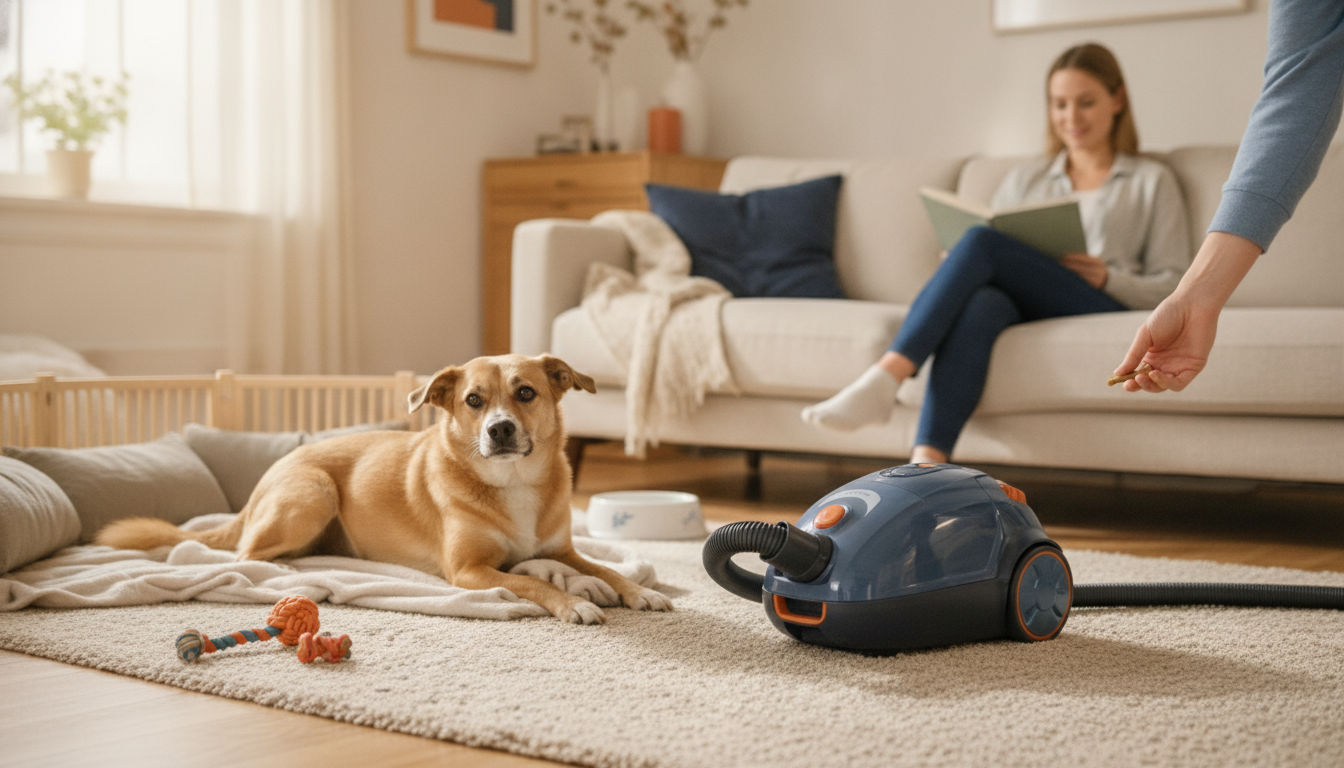
Helping Pets Handle Vacuum Stress: A Calm, Step-by-Step Routine
Vacuum noise, moving parts, and unfamiliar smells can turn a normal cleaning day into a scary event for pets. With a simple plan—preparation, gradual exposure, and smart management—most dogs and cats can learn to stay calm (or at least feel safe) while floors get cleaned. The goal isn’t “toughen up”; it’s to make vacuum time predictable, optional to engage with, and consistently paired with good outcomes.
Why vacuums feel scary to dogs and cats
Many pets react to vacuums for a mix of sensory and learning reasons. Understanding the “why” helps you pick the gentlest solution.
- Noise intensity: Vacuum motors can be loud and include high-pitched tones that some animals find uncomfortable or alarming.
- Unpredictable movement: A vacuum rolling toward a pet can read as a threat—or trigger chase/herding instincts.
- Sensory overload: Static, airflow, and the “new” odors released from dust can add extra irritation.
- Startle factor: Some pets fear the sudden on switch more than the vacuum itself.
- Learned fear: One scary experience (or repeated forced exposure) can create a lasting association.
Spot the early signs of stress (before it escalates)
Stress usually builds in layers. Catching the earliest signals lets you lower intensity before your pet tips into panic.
- Mild: lip licking, yawning, tucked tail, ears back, hiding, sudden stillness.
- Moderate: pacing, trembling, panting (when not hot), whining, barking at the vacuum.
- Severe: snapping, lunging, escape attempts, urination/defecation, refusal to eat afterward.
- Cats: flattened ears, crouching, dilated pupils, bolting, or aggressive swats.
- Escalation often happens fastest when the vacuum blocks a pet’s path to an exit or hiding spot.
| Stress level | Common signs | Best immediate response |
|---|---|---|
| Low | Looks away, lip licking, pauses play | Increase distance, reward calm, pause vacuum if needed |
| Medium | Pacing, barking, shaking, hiding | Move pet to a safe room, start enrichment, lower intensity next time |
| High | Lunging, escape attempts, panic, aggression | Stop session, prioritize safety, consult a vet/behavior professional |
Set up a “vacuum-safe zone” that actually works
A safe zone is your prevention tool. It should be easy to access, comfortable, and far from the cleaning path so your pet can truly decompress.
- Pick the right location: Choose a quiet room, a crate area, or a back bedroom with a solid door if possible.
- Make it familiar: Add a well-known bed or blanket; for cats, include a covered hideout or a high perch.
- Buffer the sound: Run a fan, white noise, or calm music at a consistent volume (start it before vacuuming).
- Offer long-lasting enrichment: Lick mats, stuffed food toys, or species-appropriate scatter feeding can help the brain “switch tasks.”
- Train the destination: Teach “bed” or “settle” during calm times first, then use the cue when cleaning begins.
If you want a dedicated resting spot that’s easy to place in a quiet room, the Cozy Warm Dog & Cat Bed – Soft, Breathable Cushion for Deep Sleep can help make the safe zone feel like a reward instead of a “time-out.”
A gradual desensitization plan (short sessions, big wins)
Desensitization works best when sessions are brief, the pet stays under threshold, and rewards are consistent. Think in days—not minutes.
Step 1: Vacuum off, curiosity rewarded
Set the vacuum in the room turned off. Let your pet look, sniff, and disengage freely. Reward relaxed body language (soft eyes, loose posture, normal breathing).
Step 2: Silent movement, then stop
Move the vacuum a few feet with the power off for just a second or two, then stop and reward calm. End the session before stress rises.
Step 3: Sound at a distance (1–3 seconds)
Turn the vacuum on in another room for 1–3 seconds, then off. Feed treats during or immediately after the sound. Repeat a few times, then quit while it’s still “easy.”
Step 4: Increase duration and reduce distance slowly
Over multiple sessions, gradually increase how long it runs and how close it is—only if your pet stays relaxed. If you see stress signals, back up to the last comfortable step for several sessions.
Step 5: Real vacuuming in tiny zones
Vacuum a small area while your pet works on a high-value activity in the safe zone. Keep the pattern predictable and finish with an “all done” routine.
For training to stay humane and effective, focus on rewards and reducing fear rather than forcing exposure. Helpful guidance is also reflected in professional resources like the American Veterinary Society of Animal Behavior (AVSAB) position statements.
During cleaning: simple management that prevents setbacks
Even with training, day-to-day management matters. A few small choices can protect the progress you’ve built.
Extra support for sensitive pets
For additional professional framing on reducing fear and improving handling and home routines, the American Animal Hospital Association (AAHA) behavior-related guidelines are a solid reference point.
A helpful tool to guide calmer vacuum days
If you want a structured routine you can follow consistently, Helping Pets Handle Vacuum Stress is designed to support calmer vacuum habits with practical, repeatable strategies.
FAQ
How long does it take for a pet to get used to the vacuum?
Often it takes a few days to several weeks, depending on sensitivity, past experiences, and how consistent the routine is. Progress tends to be fastest when sessions stay short and you don’t push past your pet’s comfort threshold.
Should a pet be comforted when scared of the vacuum?
Calm reassurance is fine, but the most effective help is increasing distance, providing a safe place, and rewarding relaxed behavior. Avoid frantic soothing that can add intensity to the moment.
What if the pet tries to attack the vacuum?
Prioritize safety: stop the vacuum, create separation, and restart later with distance-based training. Persistent aggression or panic is a good reason to consult a veterinarian or a qualified behavior professional.















Leave a comment