


Pet Travel Checklist: Safe Road Trips With Dogs & Cats
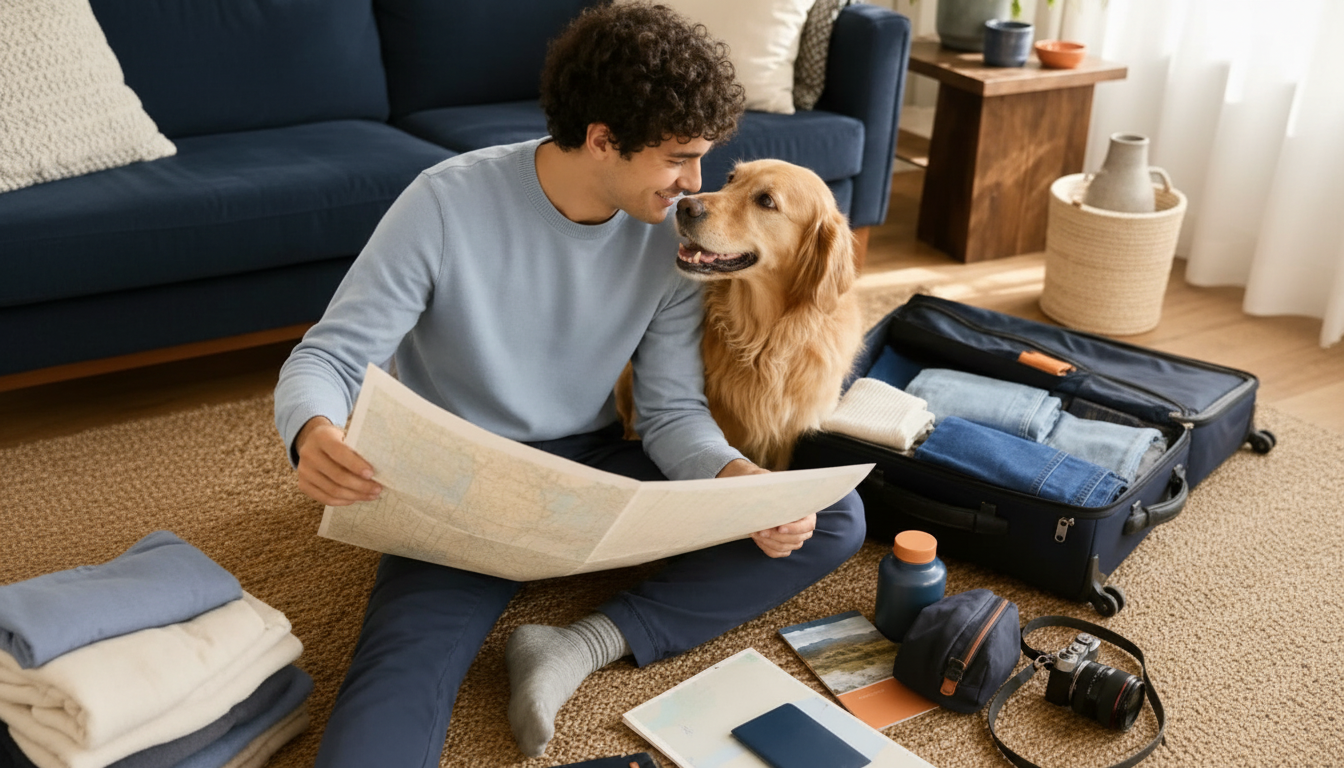
Pet Travel Essentials Checklist for Safe Trips (Printable Planner for Dogs & Cats)
A calm, safe trip with a dog or cat comes down to preparation: the right documents, the right gear, and a plan for food, water, breaks, and sleep. A simple printable checklist helps you pack with confidence for road trips, hotels, and longer vacations—without forgetting the small items that make travel smoother.
Before You Pack: Health, ID, and Travel Rules
Start with the “paperwork and rules” layer first, because it’s the hardest to fix at the last minute.
- Confirm destination requirements: Check vaccination records (especially rabies), health certificate rules, and pet policies for hotels/campgrounds, including breed/size restrictions. For U.S. travel planning and animal import considerations, review the CDC pet travel guidance.
- Update ID: Make sure the collar tag has a current phone number. If your pet is microchipped, confirm the chip is registered and keep the microchip number in your travel folder.
- Schedule vet needs early: Refill prescriptions, ask about motion-sickness options, discuss anxiety support if needed, and confirm flea/tick prevention timing. The AVMA travel tips are a solid baseline for safe preparation.
- Create a “pet travel file”: Include a current photo, proof of rabies vaccination, known medical conditions, medication names/doses, and emergency contacts.
- Practice before travel day: Short, positive sessions with the carrier/crate and car restraint can reduce stress when it counts.
If you want a ready-to-print packing flow (plus a quick timeline), use the Printable Pet Travel Essentials Checklist and Travel Planner to keep everything in one place.
Safety Setup for Car Travel
Car safety is mostly about restraint, temperature control, and preventing escapes at stops.
- Use restraint every time: A crash-tested harness with a seat-belt attachment or a secured carrier/crate is safer than letting pets roam or ride on laps.
- Plan temperature control: Never leave pets unattended in a parked vehicle. Pack window shades and a backup warming/cooling layer depending on the season.
- Prevent escape at stops: Leash on before opening doors. A slip lead is helpful for quick control in unfamiliar areas.
- Pack cleanup and containment: Seat cover, absorbent pads, waste bags, enzyme cleaner, paper towels, and a small roll of trash bags reduce stress when messes happen.
- Build in rest stops: Offer water frequently and plan short walks for dogs; for cats, keep breaks quiet and controlled with a harness/carrier routine.
Quick packing map by travel style
| Category | Road trip (car) | Hotel stay | Outdoor/camping |
|---|---|---|---|
| Restraint & containment | Harness/seat-belt or secured crate; slip lead | Carrier for lobby/room transfers | Long line; check tie-out rules; secure crate for downtime |
| Food & water | Travel bowls; pre-portioned meals | Quiet feeding setup; extra water | Extra water storage; calorie-dense food; sealed container |
| Comfort | Blanket; familiar toy | Portable bed; white noise app | Insulated bed; paw protection; weather layers |
| Cleanup | Bags; wipes; enzyme cleaner | Lint roller; extra towels | Waste bags; paw wash; trash storage |
Packing List: Food, Water, and Feeding Routine
Upset stomachs and skipped meals can derail travel fast, so treat food and water as “core gear,” not an afterthought.
- Pack enough food plus extra: Bring the full trip amount plus 2–3 days, especially for prescription or limited-ingredient diets.
- Pre-portion meals: Use labeled bags/containers to keep routine consistent and prevent accidental overfeeding when schedules change.
- Bring multiple water options: A jug/bottle supply, a collapsible bowl, and a backup bowl help in cars, lobbies, and parks.
- Routine helpers matter: A measuring scoop, a small treat pouch for calm behavior, and a lick mat or chew (if appropriate for your pet) can make transitions easier.
- Avoid sudden diet changes: Keep meal timing steady and introduce new treats cautiously.
Comfort and Sleep: Keeping Dogs and Cats Settled
New places are stimulating—different smells, different noises, different routines. A predictable “sleep and rest” setup helps pets decompress.
- Bring a familiar-scent item: A blanket, small towel, or worn (clean) T-shirt can lower anxiety in unfamiliar environments.
- Create a home base at every stop: Set down a bed + water + one familiar toy in a quiet corner, then allow gradual exploration.
- For cats: Prioritize a secure room setup on arrival (carrier, litter area, hiding spot) before opening the full space.
- For dogs: Build structured decompression—sniff-focused walks, a few simple cues for confidence, then rest.
- Plan for temperature swings: A lightweight sweater/coat (when needed) and a towel for rainy arrivals reduce discomfort.
For a consistent “home base” feel away from home, consider packing a dedicated travel bed like the Cozy Warm Dog & Cat Bed for a familiar sleep setup on the go.
Hygiene and Cleanup Essentials
Cleanup supplies are the difference between a small accident and a stressful delay—especially in hotels, rentals, and campgrounds.
First Aid, Medications, and Emergencies
For international travel or destinations that require endorsement of health paperwork, the USDA APHIS pet travel resources can help you confirm what’s needed and when.
Printable Planner: A Simple Timeline That Prevents Last-Minute Stress
FAQ
How often should pets take breaks on a road trip?
A common guideline for dogs is a stop every 2–3 hours for water and a short walk. For cats, focus on quiet, secure breaks using a harness/carrier routine and offer water regularly, adjusting for age, health, and temperature.
What’s the safest way for a dog or cat to ride in a car?
Use a secured, appropriately sized carrier/crate or a crash-tested harness attached to a seat belt. Avoid laps and free-roaming, and secure loose gear so it can’t become a projectile during sudden stops.
What documents should be packed for traveling with pets?
Bring vaccination records (especially rabies), your pet’s microchip number, a recent photo, any required health certificate, and a list of medications and veterinary contacts. Keeping paper copies with a phone backup helps if service is spotty.













Leave a comment